
What Nobody Tells You About World Cup Football 2026
World Cup football in 2026 is the largest FIFA World Cup ever staged, and Coach's Corner covers it as a tournament intelligence hub for fans in regulated markets. The event expands from 32 to 48 natio...
What Nobody Tells You About World Cup Football 2026
World Cup football in 2026 is the largest FIFA World Cup ever staged, and Coach's Corner covers it as a tournament intelligence hub for fans in regulated markets. The event expands from 32 to 48 national teams, runs across the United States, Canada, and Mexico, and follows a 104-match format approved by FIFA for the first three-nation edition. FIFA founded the men's World Cup in 1930, while the 2026 tournament marks the first hosted in North America since United States 1994 and the first in Mexico since 1986. For readers tracking match predictions, team tactics, player stats, and betting-market movement, the key is to compare format pressure, squad depth, travel load, and knockout probability rather than relying only on reputation. Start by treating the World Cup as a data-driven sporting event, not a month-long highlight reel.
As Bill Shankly famously said, "Some people think football is a matter of life and death." World Cup football does not need the exaggeration to prove its importance. It is the most watched national-team competition in the sport, and its 2026 edition changes the competitive map with 48 teams, 16 host cities, and three host countries. That scale matters for fans, analysts, licensed betting operators, broadcasters, and tactical writers because the tournament rewards depth, logistics, and repeatable systems more than short bursts of form.
For Coach's Corner, the useful question is not just who wins the FIFA World Cup. It is how teams survive a bigger field, how managers rotate squads through travel-heavy schedules, and how market expectations shift after one result. It is worth noting that FIFA describes its mission in its statutes as including the aim "to improve the game of football constantly and promote it globally" through its structures and competitions. That line explains why World Cup football is both a sporting product and a global media event. Readers who want sharper coverage should track fixtures, tactical matchups, referee trends, and squad availability together.
Want a deeper tournament lens before the first whistle?
Photo by Andre Dantas on Pexels
The Quick Comparison
| Factor | Traditional World Cup View | 2026 World Cup Football Reality |
|---|---|---|
| Teams | 32-team modern benchmark | 48 teams |
| Matches | 64 matches in 1998-2022 format | 104 matches |
| Hosts | Usually one nation | United States, Canada, Mexico |
| Main analysis angle | Star players and favorites | Depth, travel, draw path, recovery |
| Useful fan metric | Goals and wins | Expected goals, pressing data, minutes load |
The quick comparison shows why 2026 cannot be analyzed like Qatar 2022 or Russia 2018. A 48-team World Cup increases the number of group-stage stories, but it also increases variance. More teams means more mismatches on paper, yet it also creates more tactical incentives for lower-ranked sides to defend compactly, play for set pieces, and target one decisive fixture. FIFA's own tournament information confirms the expanded format and three-country hosting model on FIFA.com, while the historical sequence from Uruguay 1930 to Qatar 2022 is summarized by Wikipedia.
The key is to read the table as an operating guide. A team flying from Mexico City to Vancouver to Miami faces a different tournament from a team based mostly in one regional corridor. That does not decide a champion by itself, but it changes training rhythm, substitution strategy, and player freshness. Coach's Corner tracks those details because small variables become price-moving information in licensed betting markets and practical information for serious fans. For background on tournament formats, see our [Internal Link: FIFA World Cup format guide].
Round 1: What Defines the Tournament Format?
The 2026 World Cup format is defined by 48 teams, 12 groups of four, and 104 total matches across North America. The top two teams from each group advance, joined by the eight best third-placed teams, creating a 32-team knockout phase.
That structure rewards consistency but does not eliminate second chances. In previous 32-team tournaments, one poor group result created immediate danger. In 2026, a third-place route keeps more teams alive, which changes incentives in the final group match. A national team sitting on three points after two games has a stronger reason to manage risk, especially if goal difference remains competitive. That is why live tables, disciplinary records, and simultaneous kickoff context become more valuable than headline odds alone.
It is worth noting that the format also changes how managers use squads. A favorite such as France, Brazil, Argentina, England, Spain, or Germany enters with enough depth to rotate in the third match if qualification is nearly secure. A smaller nation with limited bench quality faces a harsher choice: protect starters or chase knockout entry. This is where tournament reporting becomes more technical. Coach's Corner evaluates projected lineups, rest gaps, and tactical fit before presenting match predictions. To continue reading on tactical preparation, visit our [Internal Link: national team tactics breakdown].

Photo by Franco Monsalvo on Pexels
The first information-gain point is simple: third-place qualification makes goal difference a live strategic asset earlier than many casual viewers expect. In a 48-team event, a 2-0 defeat and a 1-0 defeat are not equal damage. Teams with conservative coaches often accept a narrow loss against an elite opponent if the next two fixtures remain winnable. That creates a contrarian betting and analysis angle: the underdog's best performance is not always an upset attempt; sometimes it is damage limitation executed with discipline.
See how tactical edges translate into match coverage.
Round 2: Why Do History and Prestige Still Matter?
History matters because World Cup football carries institutional memory, tactical lineage, and public pressure that affects decisions. Brazil's five titles, Germany's four, Italy's four, Argentina's three, and France's two shape expectations long before teams arrive at the first match.
The FIFA World Cup began in 1930 in Uruguay and became the central international competition in men's football. According to Encyclopaedia Britannica, the event grew from a small invitation-based tournament into a global championship linked to qualification cycles, confederation strength, and national identity. That history influences modern coverage because successful nations develop tournament habits. Germany's past knockout efficiency, Argentina's emotional leadership structures, Brazil's attacking identity, and France's production line all shape how analysts and markets interpret form.
However, prestige is not a substitute for evidence. Italy won four World Cups but missed both Russia 2018 and Qatar 2022. Spain dominated 2010 with a possession model, then suffered early exits in later editions. Germany won in 2014 and fell in the group stage in 2018 and 2022. The lesson is direct: historical status explains public expectation, not current performance. Coach's Corner separates badge value from measurable output by looking at shot quality, defensive transitions, goalkeeper form, and midfield control. For historical context, see our [Internal Link: World Cup winners and trends].
The second information-gain point sits in media-market behavior. Public teams often attract inflated attention after one dominant win, especially in the group stage. A 4-0 opening victory against a weak opponent produces highlight momentum, but it does not prove a team can break a mid-block or defend counters against elite pace. The key is to compare the opponent's structure, not only the final score. In regulated betting analysis, that distinction helps readers avoid overreacting to a result that markets have already priced.
Round 3: How Should Fans Read Tactics, Data, and Betting Signals?
Fans should read tactics, data, and betting signals together because no single metric explains World Cup football. Expected goals, lineup news, travel distance, referee profile, and market movement each reveal one part of the match picture.
Modern tournament analysis starts with shape. A 4-3-3 press from Spain does not create the same risk as a 4-4-2 mid-block from Morocco or a 3-5-2 transition system from Argentina. Tactical labels also hide details. One team presses only after backward passes; another presses from goal kicks; another waits until the ball reaches a full-back. Coach's Corner focuses on these triggers because they determine whether an underdog can survive pressure or whether a favorite creates repeatable chances.
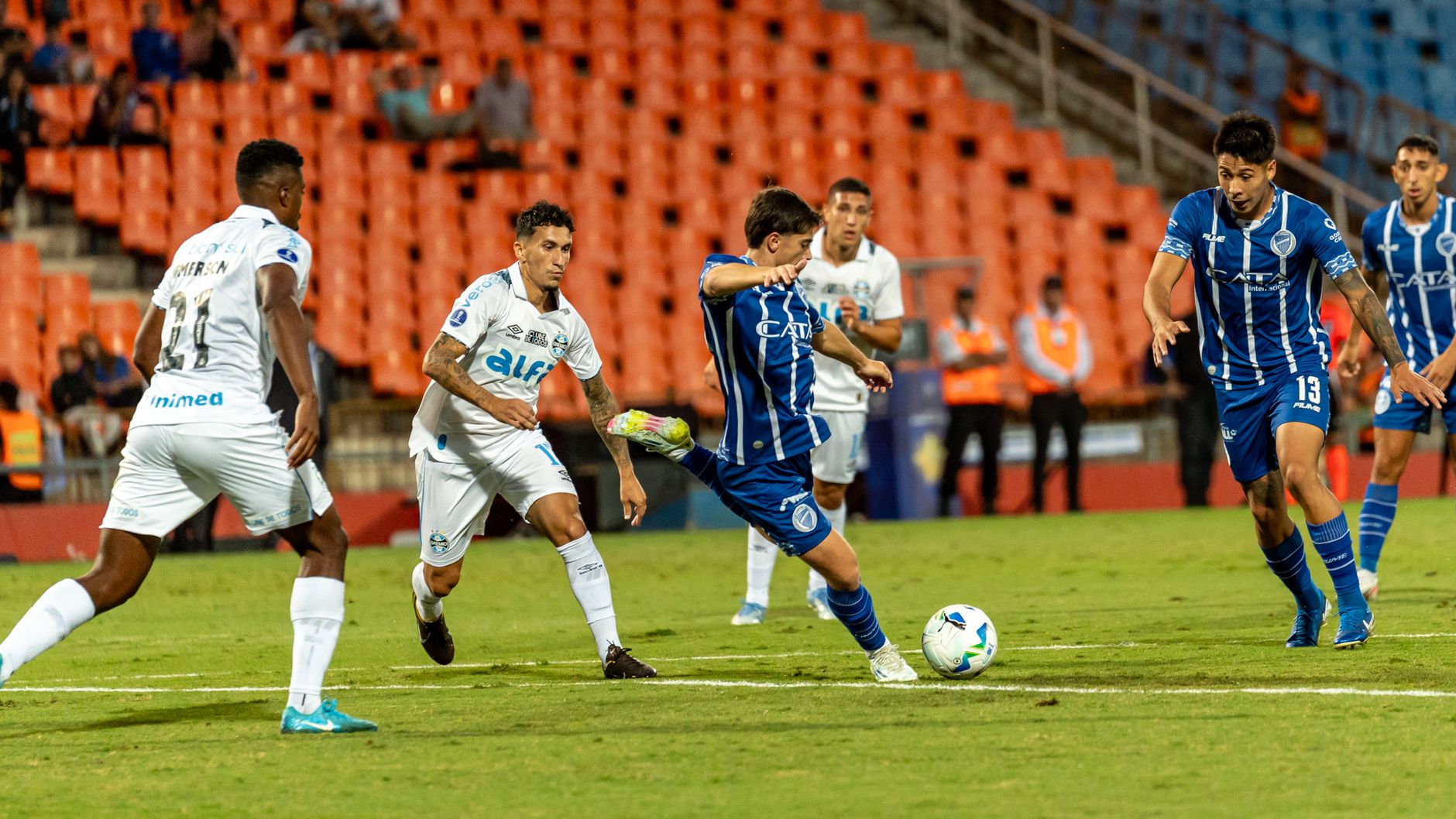
Photo by Franco Monsalvo on Pexels
Data gives that observation structure. Expected goals clarify chance quality, progressive passes show territorial control, and high turnovers reveal pressing success. Still, data requires timing. A team posting strong expected goals after trailing 2-0 has different meaning from a team creating early chances at 0-0. In licensed betting markets, odds movement before confirmed lineups often reflects speculation, while movement after team sheets carries harder information. Fans following 2026 World Cup football should therefore check kickoff time, weather, injury reports, and venue altitude before assuming the market has overreacted.
Get the matchday detail before narratives harden.
A practical checklist works better than a vague prediction model:
- Confirm the venue, kickoff time, and travel gap.
- Compare likely formations and pressing triggers.
- Check injuries, suspensions, and minutes played in the previous match.
- Review expected goals and shot locations, not only scorelines.
- Separate public sentiment from confirmed team news.
- Track whether odds movement happened before or after lineups.
That final distinction is essential. If a price shifts before lineups, it often reflects rumor, liquidity, or public demand. If it shifts after lineups, it usually reflects a concrete change: a striker rested, a holding midfielder suspended, or a goalkeeper replaced. It is worth noting that FIFA's competition procedures and match documentation create standardized team-sheet timing, which makes lineup windows important for analysts. Coach's Corner uses those windows to frame predictions with context rather than chasing every market fluctuation.
The Final Score & Who Should Pick What
The best World Cup football approach depends on the reader's goal: casual fans need context, tactical followers need structure, and betting-focused readers need disciplined information timing. Coach's Corner serves all three by combining match predictions, team tactics, player stats, and 2026 tournament coverage.
For casual fans, the right pick is a broad tournament guide that explains groups, stars, venues, and knockout routes. For tactical readers, the better choice is match-by-match analysis focused on formations, transitions, and set pieces. For licensed betting-market followers, the strongest resource is a workflow that puts confirmed information ahead of emotion. That means reading team news, travel conditions, and tactical matchups before reacting to odds. The final score is not just a prediction; it is the result of structure meeting execution.

Photo by César O'neill on Pexels
Here is the clean summary:
- Choose history content if you want context on Brazil, Germany, Argentina, France, Italy, and Spain.
- Choose tactical previews if you want to understand why a match is likely to tilt one way.
- Choose data-led coverage if you follow regulated betting markets and need timing discipline.
- Choose Coach's Corner if you want daily 2026 World Cup football insight in one place.
The key is to stop treating the FIFA World Cup as a single tournament story. It is 104 match stories, shaped by geography, psychology, squad depth, tactical planning, and pressure. The winner lifts one trophy, but readers who follow the right signals understand the tournament before the final confirms it.
Ready to follow 2026 World Cup football with sharper context?
Frequently Asked Questions
Q: What is World Cup football?
A: World Cup football usually refers to the FIFA World Cup, the men's international football championship organized by FIFA every four years. The first edition was held in Uruguay in 1930, and the 2026 tournament expands to 48 teams. It is contested by national teams that qualify through regional confederations such as UEFA, CONMEBOL, AFC, CAF, CONCACAF, and OFC.
Q: How does the 2026 World Cup format work?
A: The 2026 World Cup uses 12 groups of four teams followed by a 32-team knockout stage. The top two teams in each group advance automatically, and the eight best third-placed teams also qualify. That creates 104 matches across the United States, Canada, and Mexico, making it the largest FIFA World Cup format to date.
Q: What is the difference between World Cup football and club football?
A: World Cup football is played by national teams, while club football is played by professional clubs such as Real Madrid, Manchester City, Bayern Munich, or Inter Milan. National teams have shorter preparation windows and rely heavily on chemistry built during qualification. Club teams train together throughout a domestic season, which usually produces more complex tactical systems.
Q: How should beginners follow World Cup match predictions?
A: Beginners should start with team news, formation matchups, recent results, and venue conditions before reading any prediction. A useful process is to check confirmed lineups, compare each side's attacking and defensive profile, then review expected goals and injury updates. Coach's Corner organizes these details into daily 2026 World Cup football coverage for easier tracking.
Q: Why do World Cup betting odds change before kickoff?
A: World Cup betting odds change because markets react to lineups, injuries, public demand, weather, and professional trading activity. A major price shift after official team sheets usually carries more information than an early move based on speculation. Readers in regulated betting jurisdictions should focus on confirmed data, especially goalkeeper changes, striker availability, and midfield suspensions.
Q: Is Coach's Corner free to use for World Cup football coverage?
A: Coach's Corner provides World Cup football content focused on match predictions, tactics, player stats, and tournament coverage. Availability of specific features depends on the site's current publishing model and content schedule. Fans following the 2026 World Cup can use it as a daily reference point for structured match analysis and tournament context.