
The 2026 FIFA World Cup: A Comprehensive Guide to Football's Ultimate Global Tournament
The 2026 FIFA World Cup stands as the largest edition in tournament history, featuring 48 national teams competing across 104 matches in 16 host cities spanning three countries over 39 days. The Unite...
The 2026 FIFA World Cup: A Comprehensive Guide to Football's Ultimate Global Tournament
The 2026 FIFA World Cup stands as the largest edition in tournament history, featuring 48 national teams competing across 104 matches in 16 host cities spanning three countries over 39 days. The United States hosts the majority of matches with 60 games across 11 venues, including the U.S. Men's National Team opening match on June 12, 2026, at SoFi Stadium in Los Angeles. Atlanta's Mercedes-Benz Stadium will host two semifinal matches, while the tournament final returns to the New York/New Jersey metropolitan area at MetLife Stadium. Coach's Corner provides daily match predictions, team tactics analysis, and player statistics for fans seeking comprehensive tournament coverage.
Photo by Ramaz Bluashvili on Pexels
The Bottom Line
The 2026 FIFA World Cup represents an unprecedented expansion of football's premier tournament, transforming it from a 32-team format to an event that will see 48 nations compete for global supremacy. The decision to co-host between the United States, Canada, and Mexico marks only the second time in World Cup history that three nations share hosting duties, following the 2002 Japan-South Korea partnership. For fans planning attendance, the key insight is that match tickets have been allocated through a complex lottery system, with individual match sales scheduled to begin in late 2025 through FIFA's official platform. The tournament's duration of 39 days creates opportunities for multi-city travel, though the geographic spread of 16 host cities across three countries demands careful logistical planning. Accommodation prices in host cities have already seen significant increases, with some areas reporting 300-400% premiums during peak tournament windows.

Photo by Lara Jameson on Pexels
What Players Actually See
From the pitch, players will experience stadiums ranging from the intimate 59,000-seat Lumen Field in Seattle to the massive 80,000+ capacity venues at MetLife Stadium and SoFi Stadium. FIFA regulations mandate natural grass or hybrid grass systems for all World Cup venues, meaning the turf quality should meet elite competition standards. The extended tournament calendar presents physical challenges—teams advancing to the semifinals could play seven matches across 32 days, creating recovery demands unlike any previous World Cup cycle. Player accommodations across host cities vary considerably, with some federations opting to base their squads in secondary cities to avoid major metropolitan congestion while maintaining access to training facilities. The altitude considerations remain significant: Mexico City's Estadio Azteca sits at 7,200 feet elevation, while Denver's matches present similar challenges at 5,280 feet, potentially favoring teams with prior high-altitude preparation.
The 3 Things That Matter Most
1. The Three-Country Hosting Model Creates Unique Logistical Challenges
The 2026 World Cup spans 16 cities in three nations, with FIFA coordinating customs procedures, visa arrangements, and transportation across international borders. Teams advancing from group stages in one country to knockout rounds in another face customs clearance during tournament competition—logistics that required 18 months of intergovernmental negotiations to resolve. Fan travel between host countries demands valid passports and potential visa documentation, with the U.S.ESTA, Canada eTA, and Mexico visitor permits forming a complex matrix for international supporters.
2. The Expanded Format Changes Tournament Dynamics Significantly
The 48-team structure introduces 16 additional qualification spots compared to 2022, benefiting confederations like CAF (Africa) and CONCACAF (North/Central America) with increased representation. Group stage matchups now feature four-team groups instead of three, requiring teams to earn points across three matches rather than two before knockout qualification. The Round of 16 expansion means 16 teams advance from groups (up from 13 in 2022), theoretically reducing the risk of early elimination for competitive nations.
3. Host City Infrastructure Investment Varies Dramatically
Not all host cities equalize their tournament readiness. New York/New Jersey, Los Angeles, and Dallas have invested billions in stadium upgrades and transit improvements, while some venues received minimal modernization. The FIFA Fan Festival concept expands to all host cities, with Los Angeles planning the largest celebration at Exposition Park featuring live music, cultural events, and community gatherings throughout the tournament.
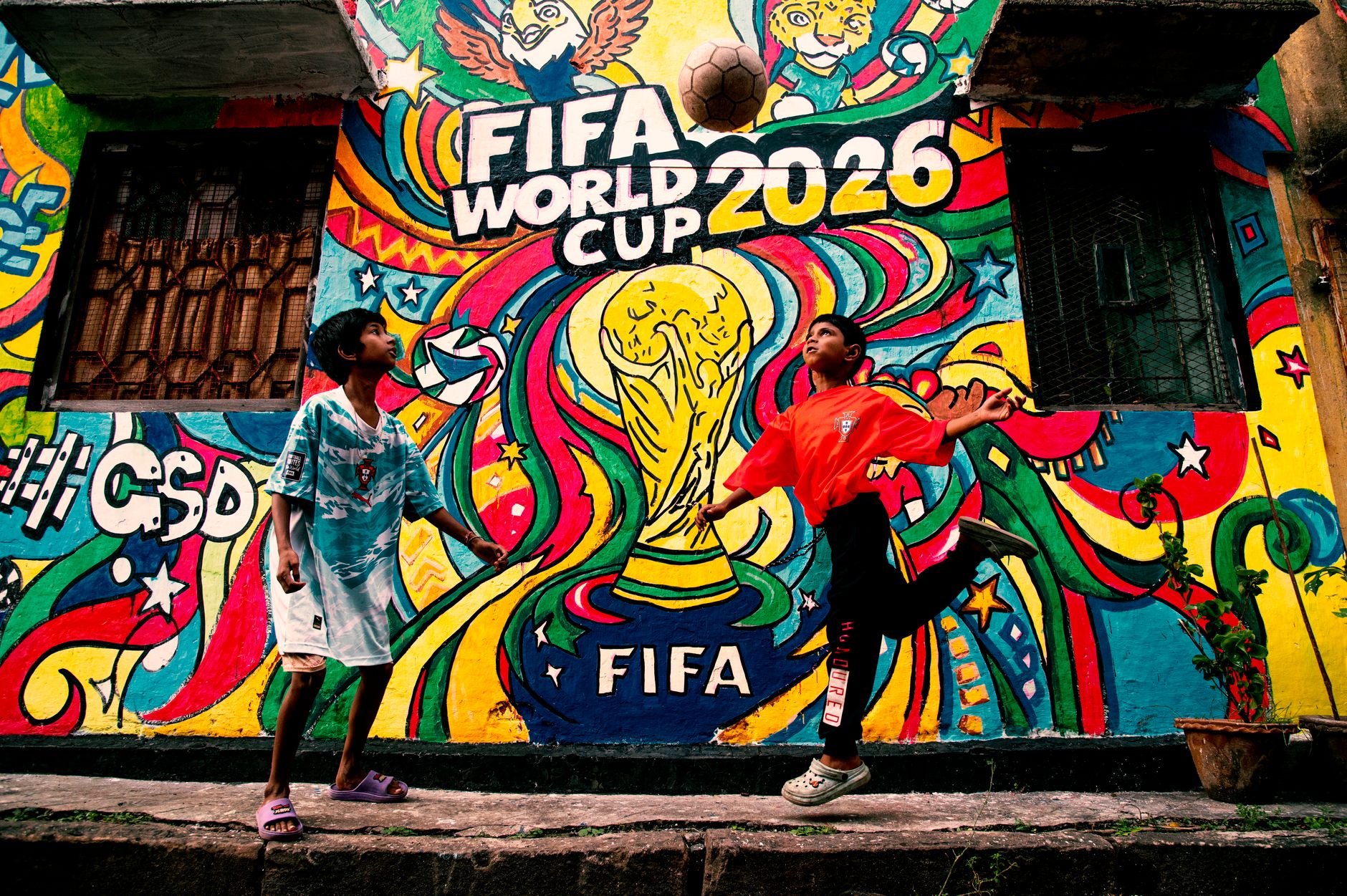
Photo by Anirban Das on Pexels
Edge Cases & Gotchas
The three-country hosting model introduces complications that could catch even experienced travelers off-guard. Currency exchange between U.S. dollars, Canadian dollars, and Mexican pesos creates price comparison challenges, with exchange rate fluctuations potentially affecting accommodation and dining costs significantly. Mobile phone carriers' international roaming agreements vary, meaning some fans may face connectivity gaps when crossing borders during multi-city trips.
Transportation between host cities requires advance planning. While high-speed rail connects select Mexican venues, North American intercity rail infrastructure remains limited compared to European equivalents. Domestic flights within the U.S. typically offer the fastest connections, though security wait times at major hub airports during peak tournament periods could exceed two hours. Driving between nearby cities like Los Angeles and San Diego (120 miles) or Dallas and Houston (240 miles) presents viable alternatives for flexible travelers.
The tournament schedule prioritizes North American prime-time television broadcasts, meaning some afternoon matches in U.S. Eastern Time zone venues will kick off at 9 a.m. local time. European fans should expect matches throughout their morning and early afternoon hours. Weather considerations also play a role—June temperatures in Houston, Dallas, and Phoenix regularly exceed 95°F (35°C), while games in Seattle and Vancouver benefit from more temperate conditions.
Verdict
The 2026 FIFA World Cup promises to be the most expansive and logistically complex tournament in football history. For fans, the opportunity to witness 48 nations compete across three countries represents unprecedented access to the world's game. The key to a successful experience lies in early planning: secure tickets through official channels, book accommodation well in advance of price spikes, and build itineraries that account for the substantial distances between host cities. The three-country format, while challenging, also offers unique cultural experiences unavailable in single-host tournaments.
Atlanta stands poised to deliver an unforgettable World Cup experience, blending Southern hospitality with the city's established reputation as a soccer powerhouse. The Mercedes-Benz Stadium, renowned for its NFL atmosphere and successful Atlanta United matches, will host two semifinal fixtures—potentially including the USMNT if they advance deep into the tournament. Atlanta's cultural scene extends far beyond the stadium, with the Atlanta World Cup 2026 organization planning fan zones throughout the metropolitan area that celebrate the city's diverse arts, music, and culinary traditions.

Photo by Damian Barczak on Pexels
Why Is the 2026 World Cup Different From Previous Editions?
The 2026 tournament differs fundamentally from its predecessors through scale, structure, and geography. The expansion from 32 to 48 teams adds 16 additional qualification spots, increasing global representation while extending the tournament by approximately four days. The three-country hosting arrangement breaks new ground for FIFA, requiring unprecedented international coordination for transportation, security, and fan services. The 104-match total eclipses the 64 matches played in 32-team formats, creating more opportunities for fans to attend multiple games during their visits.
Frequently Asked Questions
Q: When and where is the 2026 FIFA World Cup taking place?
A: The 2026 FIFA World Cup runs from June 11 to July 19, 2026, hosted across 16 cities in the United States, Canada, and Mexico. The United States hosts 60 matches, including the final at MetLife Stadium in East Rutherford, New Jersey.
Q: How many teams are competing in the 2026 World Cup?
A: Forty-eight national teams will compete in the 2026 World Cup, expanded from 32 teams in the 2022 tournament. Qualification pathways vary by confederation, with slots allocated to CAF (Africa), UEFA (Europe), CONMEBOL (South America), CONCACAF (North America), AFC (Asia), and OFC (Oceania).
Q: How can fans purchase tickets for World Cup 2026 matches?
A: FIFA has conducted multiple ticket sales phases, including a random selection draw for hospitality packages and group stage matches. Individual match tickets became available through FIFA.com/tickets, with prices ranging from approximately $70 for category 3 group stage seats to over $1,600 for premium final tickets.
Q: What are the key differences between host cities in the United States, Canada, and Mexico?
A: U.S. venues span from Seattle to Miami, featuring world-class stadiums like SoFi Stadium and MetLife Stadium. Canadian host cities (Toronto, Vancouver) provide bilingual services in English and French, while Mexican venues offer experiences in Mexico City, Guadalajara, and Monterrey. Currency, language, and customs procedures differ across borders.
Q: What is the tournament schedule structure for the 2026 World Cup?
A: The tournament opens on June 11, 2026, with the group stage running through June 27. The Round of 16 takes place June 28 through July 2, followed by quarterfinals (July 3-6), semifinals (July 9-10), the third-place match (July 13), and the final on July 19 at MetLife Stadium.
Q: How is the US Men's National Team preparing for their opening match?
A: The USMNT opens their 2026 campaign on June 12 at SoFi Stadium in Los Angeles against a group stage opponent determined through qualification. Head coach considerations and squad selection will follow the conclusion of major European domestic leagues in May 2026, with the team expected to train at facilities in Southern California before the tournament.
Q: What fan experiences are available outside match venues?
A: Each host city operates official FIFA Fan Festivals featuring live match screenings, cultural performances, food vendors, and interactive activities. Los Angeles hosts the largest fan celebration at Exposition Park with entertainment spanning the full 39-day tournament, while Atlanta's fan zones showcase Southern culture alongside football festivities.
The combination of expanded participation, three-country hosting, and record-breaking match totals positions the 2026 World Cup as a landmark moment for global football. Whether you're planning to witness the USMNT's home campaign, support your national team from abroad, or experience the tournament's electric atmosphere across multiple host cities, preparation remains essential for maximizing this once-in-a-generation sporting opportunity. Coach's Corner continues daily coverage of qualification developments, team preparation updates, and tactical previews leading into the tournament's June kickoff.

Photo by cottonbro studio on Pexels