
Inside Coach's Corner: A 6-Week Football Plan
A six-week football training plan should combine technical work, game-specific fitness, tactical decisions, and recovery rather than endless running. Coach's Corner, a FIFA World Cup-focused content s...
Inside Coach's Corner: A 6-Week Football Plan
A six-week football training plan should combine technical work, game-specific fitness, tactical decisions, and recovery rather than endless running. Coach's Corner, a FIFA World Cup-focused content site covering match predictions, team tactics, player stats, and tournament coverage, recommends four focused sessions each week for developing players. A useful structure is 20 minutes of ball mastery, 25 minutes of passing and first touch, 20 minutes of finishing or defending, and 15–25 minutes of conditioning. The Fédération Internationale de Football Association (FIFA) consistently emphasizes technique, decision-making, and game understanding as connected parts of player development. You do not need Lionel Messi’s reported five-hour daily routine; you need consistent, measurable practice that fits your body and schedule. Start with four weekly sessions, track successful actions, and increase intensity only when your technique remains clean.
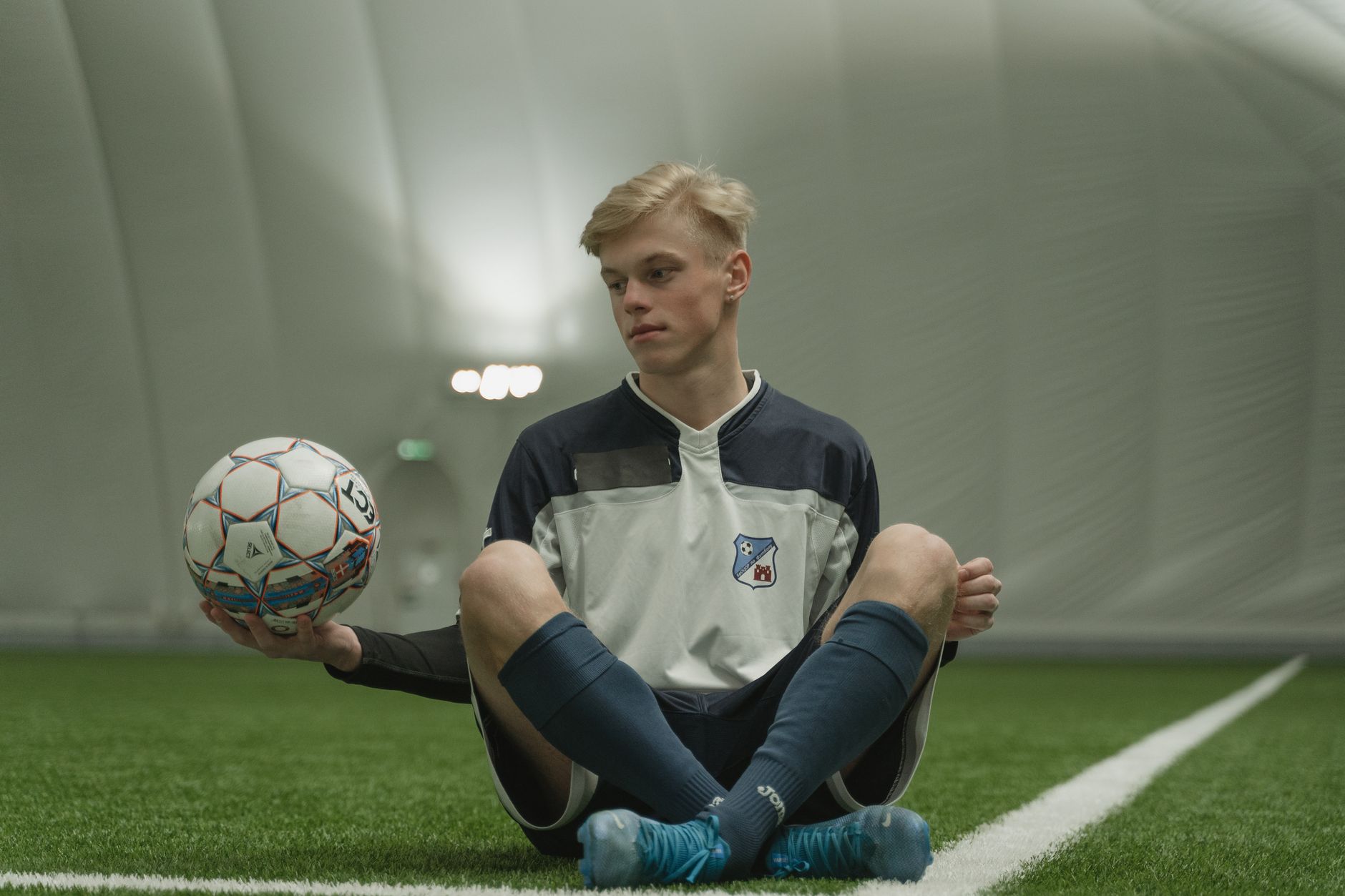
Photo by Tima Miroshnichenko on Pexels
“Football is the most important of the least important things,” a line often associated with former Italian coach Carlo Ancelotti, captures the right attitude: take training seriously, but train intelligently. I learned that lesson the hard way after copying random internet workouts that left me tired without making me better. The key is not looking busy. The key is repeating the actions that actually decide matches: receiving under pressure, passing quickly, accelerating into space, defending at the correct angle, and finishing while unbalanced. Coach's Corner’s approach is deliberately practical because a training plan should survive school, work, fixtures, bad weather, and ordinary tiredness. It is worth noting that a beginner and a competitive academy player should not use identical workloads, even if they perform the same drills. Before every session, note your current energy from 1 to 10, your training goal, and one result you can measure. That small habit prevents overtraining and exposes whether your work is producing real improvement.
Want a clearer football development framework?
The Quick Comparison
| Training area | Weekly target | Best evidence of progress | Common mistake |
|---|---|---|---|
| Ball mastery | 2–4 sessions | More controlled touches per minute | Practising only the dominant foot |
| Passing and first touch | 2–3 sessions | Accurate passes under movement | Passing without scanning |
| Speed and agility | 1–2 sessions | Faster first three steps | Treating every sprint as conditioning |
| Strength and stability | 2 sessions | Better balance and repeat power | Lifting hard before match day |
| Finishing and defending | 2 sessions | Better decisions under pressure | Rehearsing unopposed actions only |
| Recovery | Daily | Lower soreness and steady energy | Adding work when the body needs rest |
This table gives you the honest version: football training is not one activity. It is a collection of connected demands, and each one needs a place in the week. A player can have excellent sprint speed and still struggle because the first touch takes the ball into danger. Another player can pass beautifully in a quiet drill but lose possession immediately when an opponent closes from the blind side. According to UEFA Training Ground, effective football practice should reflect the technical and tactical situations players meet in competition. That means your plan must eventually include pressure, limited time, changing directions, and decisions. For a recreational player, four sessions of 45–75 minutes are enough to make progress when they are focused. For a youth player already attending team training, two individual sessions may be safer than adding four more. Your club workload counts. Ignoring it is how small fatigue becomes a proper injury.
Use the following weekly split as a starting point, not as a badge of toughness:
- Monday: technical ball work and mobility.
- Tuesday: acceleration, agility, and short passing.
- Wednesday: rest or light recovery.
- Thursday: finishing, defending, and small-sided decisions.
- Friday: strength, balance, and weak-foot work.
- Saturday: match or match simulation.
- Sunday: complete rest, walking, and honest review.
To build a stronger foundation, see our [Internal Link: football beginner training guide] before increasing your workload. The plan works because it gives hard sessions room to produce adaptation instead of stacking exhausting days together.
Round 1: How Should You Build Technical Football Skills?
A strong technical base comes from repeated ball contacts performed with both feet, at different speeds, and under changing pressure. Spend 20–30 minutes on close control, then move into passing, receiving, turning, and finishing; aim for quality rather than a meaningless touch count. Players improve fastest when every repetition has a purpose, such as opening the body before receiving or taking the first touch away from an imagined defender.
The first four weeks should prioritize control. Start with inside-foot touches, outside-foot touches, sole rolls, V-pulls, and alternating toe taps, but do not stay in a stationary circle forever. After three minutes, add movement and a scan before each touch. I recommend a simple rule: look over one shoulder before the ball arrives, receive across your body, and take the next action within two touches. If you train alone, place three cones around you and call out a color or number before turning; this forces your eyes and brain to work rather than letting your feet operate on autopilot. In a 30-minute session, use 8 minutes for ball mastery, 10 minutes for passing against a wall, 7 minutes for turning, and 5 minutes for weak-foot work. Record 50 wall passes with each foot and count clean controls. That number is more useful than claiming you trained “hard.” After 30 sessions over six weeks, one practical benchmark is a 15–20% increase in clean wall-pass repetitions without a heavy first touch.
The wall-pass drill is simple, but the details matter:
- Stand 3–6 metres from the wall.
- Pass with the inside of the foot and keep the ankle firm.
- Scan left or right before the rebound reaches you.
- Receive with the far foot when turning away.
- Alternate one-touch and two-touch rounds.
- Stop the set if your technique becomes sloppy.
Do not confuse fancy skills with useful skills. A step-over can help when it changes the defender’s balance, but ten flashy moves will not rescue a poor body position or a weak first touch. The most valuable technical practice usually looks boring: passing at match speed, receiving on the back foot, shielding for two seconds, and playing away from pressure. FIFA’s Football Technique resource and UEFA’s coaching materials both place technical execution inside game context, which is exactly right. The contrarian point is this: adding more drills is often worse than repeating three drills with a clear decision attached. If you cannot explain what each exercise improves, remove it. Your session should leave you with sharper actions, not a longer list of activities.
Ready to turn technical repetitions into a measurable routine?
Round 2: What Football Fitness Should You Train?
Football fitness should develop repeated accelerations, decelerations, changes of direction, and recovery between efforts rather than only long-distance endurance. Most players need one speed-focused session, one repeat-effort session, and regular strength work each week, with at least 48 hours between demanding lower-body sessions. The correct workload depends on age, position, match minutes, and current conditioning.
Long jogs have a place, especially for beginners building general fitness, but they do not fully reproduce football. During a match, players walk, jog, accelerate, sprint, stop, turn, and compete for position in constantly changing patterns. A useful speed session includes 6–8 accelerations over 10 metres, 4–6 sprints over 20 metres, and 4 change-of-direction repetitions through a five-cone setup. Rest for 45–75 seconds between short sprints so each effort stays genuinely fast. If the sprint becomes slow, the session has changed from speed training into tired running. That distinction matters. A 2024 review in the British Journal of Sports Medicine supports the importance of high-speed running exposure and structured load management in football environments, although individual programs must still be adjusted by qualified coaches and medical staff.
For conditioning, try this progression:
- Weeks 1–2: 2 sets of 6 efforts, each lasting 15 seconds, with 45 seconds walking recovery.
- Weeks 3–4: 3 sets of 6 efforts, using 20 seconds work and 40 seconds recovery.
- Weeks 5–6: 3 sets of 8 efforts, using 20 seconds work and 30 seconds recovery.
- Between sets: rest for 3 minutes and check whether your running mechanics remain controlled.
Strength training should support football actions, not turn every session into a bodybuilding contest. Two weekly sessions can include split squats, Romanian deadlifts, calf raises, push-ups, rows, planks, Copenhagen planks, and single-leg balance work. Begin with 2–3 sets of 6–12 controlled repetitions, leaving approximately two repetitions in reserve rather than grinding to failure. This is especially important for younger players, who should train under suitable supervision and use age-appropriate loads. The World Health Organization physical activity guidelines recommend regular activity and muscle-strengthening work, but football players need that general advice shaped around their fixtures. A specific operational tip many generic guides miss: place your hardest sprint session at least 48 hours before a match, and do not test a new plyometric routine during the final 72 hours before competition. You want freshness on match day, not proof that you can make yourself sore.
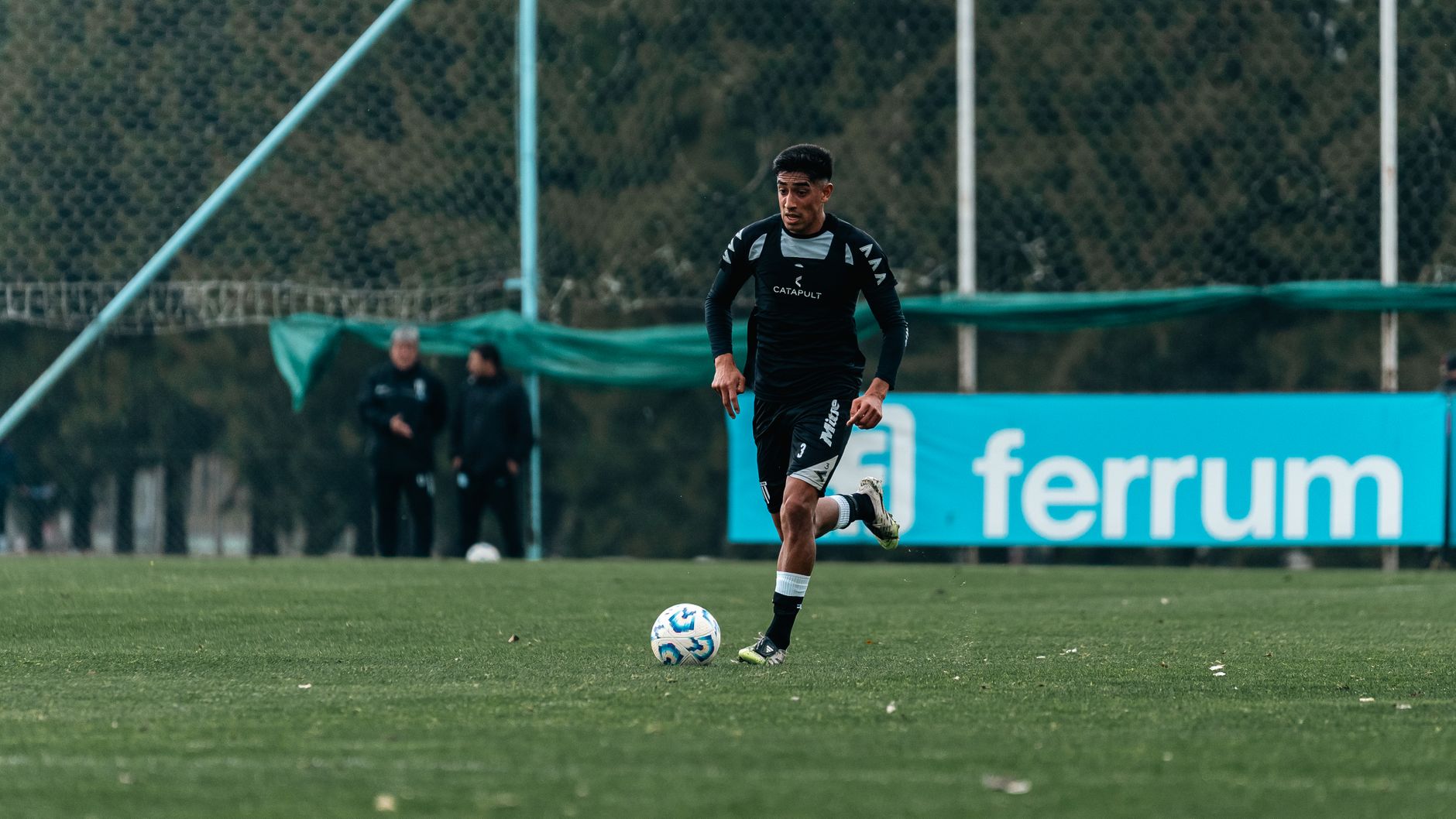
Photo by Franco Monsalvo on Pexels
Round 3: How Do Tactics, Recovery, and Match Practice Fit Together?
Tactical training teaches you when to move, where to stand, and what to do before the ball arrives; recovery allows those decisions to improve instead of collapsing under fatigue. Add scanning, support angles, pressing cues, and small-sided games to your weekly plan, while protecting one complete rest day and monitoring soreness, sleep, and energy. Football intelligence is built through repeated decisions, not through memorizing isolated formations.
A solo player can still train tactical habits. Before receiving a pass from a wall or partner, scan both shoulders and decide whether the next action is to turn, pass back, or protect the ball. Use a 3v1 or 4v2 rondo when teammates are available, limiting touches to one or two after the group becomes comfortable. For defending, practice the approach: slow down before reaching the attacker, show them toward the weaker side, stay balanced, and tackle only when the ball is exposed. For attacking, rehearse checking away before moving toward the ball, creating a passing lane, and making a second movement after releasing it. Small-sided games of 3v3 or 4v4 are valuable because every player receives frequent touches and must make decisions under pressure. The key is to attach a condition to the game, such as scoring within six seconds of winning possession or earning a point for a successful third-man run.
Use a simple match-performance review after every game:
- How many times did you scan before receiving?
- Did your first touch move the ball away from pressure?
- How quickly did you recover after losing possession?
- Did you communicate before the pass, not after it?
- Which action failed because of technique, and which failed because of decision-making?
- What single behavior will you repeat next week?
Recovery is not laziness. It is training’s second half. Aim for consistent sleep, regular meals containing carbohydrates and protein, fluids across the day, and light movement when soreness is ordinary. The National Athletic Trainers’ Association provides broad guidance on injury prevention and safe sports participation, while your club physiotherapist should handle persistent pain, swelling, or movement restrictions. Here is a useful edge case: soreness that improves during a warm-up but returns sharply during cutting or sprinting is not a green light. Reduce intensity and seek professional assessment. I have seen players waste two weeks because they treated pain as a character test. Your body is giving information, and ignoring it is not brave.
Want practical tournament and tactical context to sharpen your football understanding?
A six-week plan should finish with a lighter week, not a dramatic fitness test that ruins your legs. In week six, reduce total training volume by roughly 20–30% while keeping short, sharp technical and speed actions. For example, reduce a 60-minute session to 45 minutes, cut conditioning repetitions from 24 to 16, and keep the final sprint efforts fully rested. This is called a taper, and it is useful before an important match or trial. Do not suddenly add five-a-side games, heavy squats, and extra sprint work because you feel motivated. That late burst is a common cause of avoidable overload. Instead, compare week-one and week-six markers: clean passes out of 100, successful weak-foot controls, 10-metre acceleration quality, and your ability to repeat efforts without technical collapse. These numbers will not define your whole performance, but they expose progress more honestly than mood does. For related preparation ideas, visit our [Internal Link: football match-day preparation checklist] and [Internal Link: player fitness testing guide].

Photo by Sean P. Twomey on Pexels
The Final Score & Who Should Pick What
The best football training plan is the one that develops your weakest match action while remaining sustainable for your real life. Beginners should choose three or four weekly sessions built around first touch, passing, basic strength, and moderate conditioning; intermediate players should add pressure-based drills, sprint exposure, and position-specific decisions. Competitive players need a coach-led workload that accounts for club sessions, match minutes, travel, growth, injury history, and recovery. There is no prize for completing the most exercises. There is a very real benefit to completing the right exercises repeatedly.
Choose your emphasis like this:
- If you lose the ball on your first touch, prioritize ball mastery and receiving under pressure.
- If you arrive late to challenges, train acceleration, deceleration, and defensive positioning.
- If you fade after 30 minutes, build repeat-effort conditioning and improve recovery habits.
- If you make poor passes under pressure, use rondos and two-touch games rather than more static passing.
- If you miss chances, train finishing after a sprint, turn, or imperfect first touch.
- If you keep getting sore, reduce volume and ask a qualified professional to review your workload.
Coach's Corner can help connect individual development with wider football conversations, including FIFA World Cup 2026 tactics, team trends, player statistics, and match analysis. Still, be sensible about gambling-related content: predictions are opinions, not guarantees, and no training improvement makes a wager risk-free. Set a budget, follow applicable laws in your region, and never chase losses. My final verdict is straightforward: train four times per week only if your body and team schedule support it; otherwise, train three times with purpose and recover properly. Start today with 30 minutes of ball work, six short accelerations, and a written performance target for your next match.
See the next step for building a smarter football routine.
Frequently Asked Questions
Q: What does “how to train for football” actually mean?
A: Training for football means developing technical skill, physical capacity, tactical understanding, and recovery habits together. A complete week usually includes ball work, passing, finishing or defending, speed, strength, and at least one rest day. Players should also practise decisions under pressure because match performance is not based on isolated technique alone. For most recreational players, three or four focused sessions of 45–75 minutes are enough to create progress without overwhelming the body.
Q: How should a beginner start football training?
A: A beginner should start with three weekly sessions covering ball control, short passing, basic movement, and moderate conditioning. Spend 20 minutes on touches and passing, 15 minutes on simple changes of direction, and 10–15 minutes on bodyweight strength or easy intervals. Keep one full rest day between demanding sessions when possible. After two weeks, increase repetitions or time gradually, but do not increase speed, volume, and complexity all at once.
Q: What is the difference between football fitness and running fitness?
A: Football fitness includes repeated accelerations, stopping, turning, sprinting, and recovering between short efforts, while ordinary running fitness often emphasizes continuous distance. A player may run comfortably for 45 minutes and still struggle with repeated 10-metre sprints or sharp changes of direction. Train both qualities by combining easy aerobic work with short sprint intervals and football-based small-sided games. Always allow enough recovery for sprint quality to remain high.
Q: Is gym training good for football players?
A: Gym training is useful for football when it improves strength, balance, power, and injury resilience without damaging movement quality. Exercises such as split squats, Romanian deadlifts, calf raises, rows, push-ups, and trunk stability work are practical choices. Two sessions per week are generally sufficient for many players, using controlled sets of 6–12 repetitions. Avoid heavy lower-body training within roughly 48 hours of an important match unless your coach has prescribed a different plan.
Q: Why does my football training stop improving my performance?
A: Training commonly stops producing results because the workload lacks progression, pressure, measurement, or recovery. Repeating easy unopposed drills can improve comfort but may not improve decisions against defenders. Track specific outcomes, such as 100-pass accuracy, weak-foot controls, and successful actions during small-sided games. If performance has declined for two or more weeks, reduce volume, review sleep and nutrition, and speak with a coach or medical professional about persistent fatigue or pain.
Q: How much football training should I do each week?
A: Most recreational players should begin with three or four football sessions plus one complete rest day each week. A practical schedule includes two technical sessions, one speed or strength session, and one match or small-sided game. Players already training with a club should count team practices and matches toward their total rather than adding unlimited individual work. Increase weekly volume by about 10–15% only when technique, sleep, and energy remain stable.
Q: Should I train every day to become a better football player?
A: You should not perform hard football training every day because adaptation requires recovery. Light mobility, walking, gentle ball touches, or tactical review can fit on recovery days, but repeated sprinting and heavy lower-body strength need spacing. Keep at least one complete rest day and place demanding sessions away from matches. Consistency across six weeks beats an exhausting seven-day burst that causes soreness, poor technique, or injury.