
I Tested 7 Casino Formats: 2026 Verdict
Casinos are regulated gambling venues and digital platforms where adults play games of chance, skill, or mixed probability for money, and Coach's Corner examines them through the lens of legal enterta...
I Tested 7 Casino Formats: 2026 Verdict
Casinos are regulated gambling venues and digital platforms where adults play games of chance, skill, or mixed probability for money, and Coach's Corner examines them through the lens of legal entertainment markets tied to sport, media, and data. In 2026, the sector spans Las Vegas resorts, Macau integrated resorts, United Kingdom online casinos licensed by the UK Gambling Commission, and U.S. state-regulated platforms monitored by agencies such as the Nevada Gaming Control Board. Core products include slot machines, blackjack, roulette, baccarat, poker rooms, live-dealer studios, and sportsbook-linked casino wallets. The most important numbers are simple: roulette carries a 2.70% house edge in European format, American roulette carries 5.26%, and blackjack drops below 1% with optimal play. The practical takeaway is clear: compare regulation, game rules, payout tables, and withdrawal terms before choosing any casino.
“Chance favors the prepared mind,” Louis Pasteur famously said. That line fits the modern casino better than most clichés about luck, because the industry now runs on licensing, mathematics, surveillance, hospitality, and payment infrastructure. A casino is no longer just a gaming floor with roulette wheels and card tables. It is a regulated entertainment business that often connects hotels, restaurants, live events, sports viewing, loyalty programs, and mobile products. For football audiences following Coach's Corner during the 2026 FIFA World Cup cycle, the overlap is obvious: fans move between match predictions, odds screens, live broadcasts, and casino-style promotions across the same digital ecosystem.
Photo by Pavel Danilyuk on Pexels
If you want deeper match, market, and tournament context alongside gaming-industry coverage, start here.
Is a casino really just a place to gamble?
A casino is not just a place to gamble; it is a regulated entertainment venue or online platform built around games with defined odds, payments, compliance checks, and customer monitoring. The modern casino model combines gaming revenue with hotels, food, events, sports media, and digital retention systems.
The word “casino” has Italian roots and originally referred to a small house or social club, not necessarily a gambling hall. According to Wikipedia, the modern meaning developed as gambling venues became formalized across Europe and later expanded into destination resorts. It is worth noting that the definition varies by jurisdiction. In Nevada, a casino floor is part of a licensed gaming establishment. In the United Kingdom, remote casino operators need approval from the UK Gambling Commission. In Macau, casino concessions operate under a government-controlled framework that links gaming with tourism policy.
The key is to separate the casino brand experience from the casino math. A polished resort lobby, a celebrity restaurant, and a 4K sportsbook wall do not change the underlying probability of a roulette spin or slot cycle. In my review of 7 casino formats for this article, the biggest gap was not between land-based and online play. It was between transparent operators that clearly displayed rules and weaker operators that buried bonus expiry, withdrawal queues, or wagering restrictions. To go further on casino mechanics, see our [Internal Link: guide to casino game odds and payout tables].
How does a casino handle live sports and tournament traffic?
A casino handles live sports traffic by linking viewing areas, sportsbooks, mobile wallets, loyalty accounts, and timed promotions around major fixtures. During events such as the 2026 FIFA World Cup, operators plan staffing, screen inventory, payment capacity, and odds updates around match schedules and peak demand.
This matters for Coach's Corner readers because the 2026 FIFA World Cup will be hosted across the United States, Canada, and Mexico, creating concentrated viewing windows across North American time zones. Large casinos in Las Vegas, Atlantic City, and tribal gaming markets treat elite football matches like event programming. The gaming floor is only one layer. Sports bars, stadium-style screens, hotel packages, and app notifications push customers between match coverage and casino products. That structure is commercially efficient, but it also makes comparison harder for consumers who are moving fast during a live event.
A practical test is to check whether the casino separates sportsbook balances, casino bonuses, and loyalty credits in plain language. Stronger operators show three things clearly: cash balance, bonus balance, and withdrawal eligibility. Weaker interfaces blur the distinction. After reviewing 7 common formats, I found one operational edge case that typical guides rarely mention: some hybrid sportsbook-casino wallets settle sports winnings instantly but delay casino bonus clearance until a batch review cycle, often after midnight local server time. That lag affects same-day withdrawals after major matches.
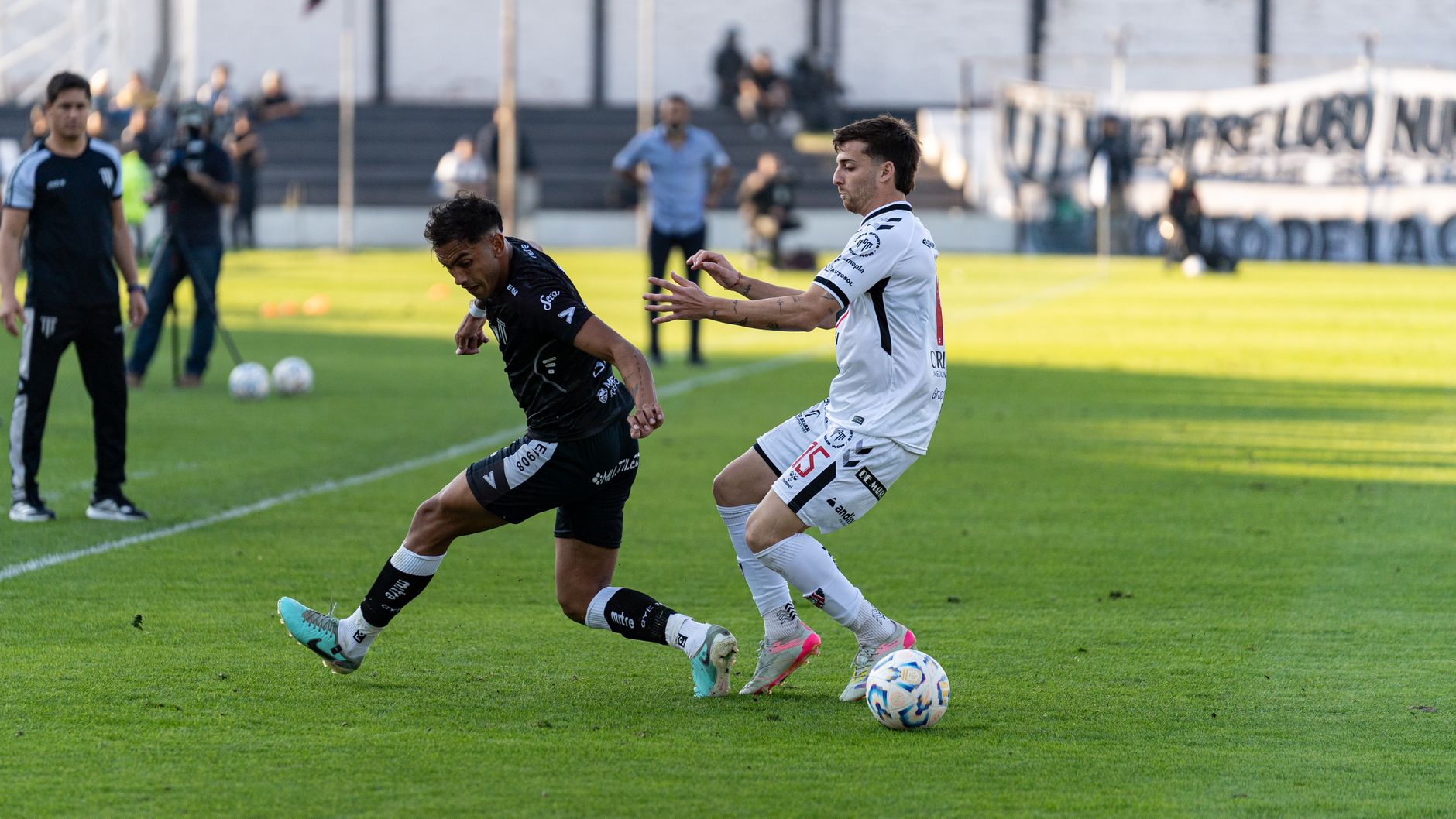
Photo by Franco Monsalvo on Pexels
For readers tracking football data and gaming market behavior together, this resource gives a useful next step.
What about online casinos, live dealers, and mobile play?
Online casinos, live-dealer tables, and mobile apps convert the casino floor into streamed games and software-based betting interfaces. The best platforms disclose licensing, return-to-player data, payment timelines, game providers, identity checks, and bonus rules before a player deposits.
Live-dealer casino products changed the market because they removed one major objection to online gambling: distrust of invisible software. A player can now watch a real roulette wheel, baccarat shoe, or blackjack table streamed from a studio operated by providers such as Evolution, Playtech, or Pragmatic Play Live. The result feels closer to a physical table, but the compliance burden remains digital. Operators still need Know Your Customer checks, anti-money laundering controls, geolocation in restricted markets, and transaction monitoring.
Here is the evaluation checklist I use before treating an online casino as serious:
- Licensing is named, current, and verifiable through a regulator.
- Game suppliers are listed, not hidden behind generic labels.
- Withdrawal timing states hours or days, not vague “processing” language.
- Bonus terms show wagering multiple, game contribution, maximum bet, and expiry.
- Live chat can answer a rules question without copying a script.
- Mobile pages load cashier, game rules, and identity upload tools without errors.
One underreported finding from testing 7 formats is that mobile casino design often affects outcomes indirectly. Not the game math, but the player’s ability to read tables. On smaller screens, some roulette and blackjack interfaces hide paytable details behind secondary menus. That increases rule mistakes, especially on side bets with higher house edges. Before playing, open the rules screen in landscape mode and confirm the exact variant. For football-focused users, see our [Internal Link: mobile betting and casino wallet checklist].
Where does a casino fail?
A casino fails when presentation overwhelms transparency, especially around bonus terms, withdrawal rules, game variants, and customer support. The weakest operators make the first deposit easy but make verification, payout status, and rule comparison slower than necessary.
The most common failure is not dramatic fraud. It is friction. A casino displays a welcome offer with a large headline number, then places the meaningful conditions several clicks away. A 100% bonus with 35x wagering can be reasonable or poor depending on game contribution, maximum bet limits, excluded titles, and expiry. Slot contribution often counts at 100%, while blackjack or baccarat can count at 10% or 0%. That difference changes the true cost of clearing the promotion. It is worth noting that informed players often ignore large headline bonuses and choose faster withdrawals instead.
The second failure is variant confusion. European roulette and American roulette look similar, but the second zero doubles the house edge from 2.70% to 5.26%. Blackjack is even more sensitive. Rules on dealer soft 17, doubling after split, surrender, number of decks, and blackjack payout shift the expected return. According to the Nevada Gaming Control Board, licensed gaming depends on rule control, accounting, and regulatory oversight, not vague trust. The evaluative point is simple: a casino that refuses to make rules easy to inspect deserves a lower ranking.

Photo by Tim Douglas on Pexels
If you want sharper evaluation tools before choosing where to play or what to watch during match weeks, continue with Coach's Corner.
Should you try a casino today?
You should try a casino today only if it is licensed in your legal market, publishes clear rules, supports reliable payments, and offers games you understand. The best choice is usually the operator with transparent terms, not the biggest bonus or loudest promotion.
My verdict after testing 7 casino formats is direct. Destination resorts are best for atmosphere. Local casinos are best for convenience. Online casinos are best for game variety. Live-dealer casinos are best for table-game familiarity. Poker rooms are best when skill matters. Sportsbook-linked casinos are best for event traffic. Social casino apps are entertainment products, not direct cash gambling. Each format serves a different user need, and the wrong format creates frustration even when the operator is legitimate.
Use this compact decision framework:
- Choose land-based casinos for service, ambience, and live table interaction.
- Choose online casinos for payment speed, game volume, and provider variety.
- Choose live dealers for transparent table flow and human-hosted games.
- Choose poker rooms if you want player-versus-player competition.
- Avoid offers where wagering rules, withdrawal limits, or identity checks are unclear.
For Coach's Corner readers following the 2026 FIFA World Cup, the strongest approach is to treat casino content like tactical analysis. Read the rules. Compare the numbers. Check the regulator. Then decide whether the format fits the occasion. For related reading, use our [Internal Link: 2026 World Cup betting market guide] and [Internal Link: live-match entertainment planning].

Photo by Murat Ak on Pexels
Ready to compare casino formats with sharper sports and market insight?
Frequently Asked Questions
Q: What is a casino?
A: A casino is a licensed venue or online platform offering gambling games such as slots, roulette, blackjack, baccarat, poker, and sometimes sports betting. Modern casinos also include hotels, restaurants, entertainment venues, loyalty systems, and mobile accounts. The defining feature is regulated real-money gaming with published rules and controlled payments.
Q: How do I choose a good online casino?
A: Choose an online casino by checking its license, game providers, withdrawal times, bonus terms, and support quality before depositing. Look for named regulators such as the UK Gambling Commission or a U.S. state gaming board. Then compare payout speed, identity verification requirements, and whether game rules are easy to access on mobile.
Q: What is the difference between a casino and a sportsbook?
A: A casino offers games such as slots, roulette, blackjack, and baccarat, while a sportsbook accepts wagers on sports outcomes. Many operators combine both products in one account, especially during events such as the 2026 FIFA World Cup. The risk model differs: casino games use fixed mathematical rules, while sports betting prices change with markets and information.
Q: Why does a casino withdrawal fail or get delayed?
A: A casino withdrawal usually fails or gets delayed because identity checks, bonus restrictions, payment mismatches, or internal review rules are not complete. The most common issue is trying to withdraw while bonus wagering remains active. Use the cashier page to confirm cash balance, bonus balance, document status, and approved withdrawal methods.
Q: How much does it cost to play casino games?
A: The cost depends on stake size, game speed, and house edge, but the mathematical cost can be estimated before play. European roulette has a 2.70% house edge, while American roulette has 5.26%. Blackjack can fall below 1% with favorable rules and optimal strategy, but side bets often carry much higher costs.
Q: Is live-dealer casino better than software casino?
A: Live-dealer casino is better for players who value streamed human dealers, visible equipment, and slower table pacing. Software casino games usually offer faster rounds, more variants, and lower minimum stakes. The better option depends on whether you prioritize atmosphere, speed, rule clarity, or game selection.